Digital Nomad Hubs

Some places make nomad life feel easy from day one. The Wi-Fi works, the coffee shops expect laptops, the neighborhoods are walkable, and someone at the next table probably knows where the best language exchange, coworking day pass, or sunset meetup is happening tonight.
That is the magic of a true nomad hotspot. These are the places where arrival friction drops fast.
The classic digital nomad hubs earned their reputation over years. They have the communities, coworking spaces, apartment options, airport links, and social rhythm that make them reliable choices. The rising stars have a different pull. They feel a little fresher, often a little cheaper, and full of possibility before the crowd fully arrives.
Here is the guide to both: the original hubs that shaped the movement, and the next-wave cities and islands worth adding to the map.

The original digital nomad hubs where the movement began
These are the tried-and-true capitals of remote work. The infrastructure is mature, the cafe culture is strong, and meeting other travelers can be as simple as opening your laptop in the right neighborhood.
Lisbon, Portugal
Lisbon became one of Europe’s flagship remote work cities for good reason. It has coastal light, historic neighborhoods, an active startup scene, and easy access to the rest of Europe. Areas like Santos, Cais do Sodré, Príncipe Real, and Alcântara draw remote workers year-round, while LX Factory remains a familiar stop for cafes, shops, and casual meetups.
The appeal is clear: Lisbon feels international without losing its local character. You can work from a stylish cafe in the morning, ride a tram through hilly streets in the afternoon, and be near the Atlantic by sunset.
Why it works well
Strong coworking and cafe scene
Good flight connections across Europe
Large English-speaking community
Great weekend trips to Sintra, Cascais, Porto, and the Algarve
Find your people
Join Lisbon Digital Nomads groups, coworking events, language exchanges, and founder meetups. The community is large enough that niche circles exist for almost every interest.

Bansko, Bulgaria
Bansko is the oddball success story that makes perfect sense once you arrive. It is a small mountain town, not a major capital, yet it became one of Europe’s most recognizable nomad bases.
The draw is value, nature, and community. Rent and daily costs are usually lower than in Western Europe, the mountain setting gives the town a clear seasonal rhythm, and the coworking scene is unusually strong for a place of its size. In winter, skiing shapes the calendar. In summer, hiking, festivals, and long terrace lunches take over.
Bulgaria is also known for its flat income tax system, which attracts some remote workers and entrepreneurs. Tax situations vary by residency and personal circumstances, so treat this as a starting point for research rather than advice.
Why it works well
Lower cost of living than many European hubs
Strong coworking culture
Skiing, hiking, and mountain air
Tight-knit community where familiar faces appear quickly
Find your people
Whether you are going to the Bansko Nomad Fest or joining the exisiting community, you won't be alone.

Chiang Mai, Thailand
Chiang Mai is the undisputed classic. Long before remote work became mainstream, Chiang Mai had the formula: affordable living, warm weather, endless cafes, night markets, temples, coworking spaces, and a steady stream of location-independent entrepreneurs.
The city is especially good for building. Many early-stage founders, freelancers, and creators choose Chiang Mai because the pace supports focus. You can keep expenses manageable, eat well, get around easily, and plug into a community that understands online work.
Nimman is the most famous nomad zone, though the city has grown beyond one neighborhood. Old City, Santitham, and areas farther out each offer a different rhythm.
Why it works well
Huge cafe culture
Lower daily costs than many Western hubs
Strong wellness and fitness options
Easy access to northern Thailand
Find your people
Chiang Mai Digital Nomads groups are active, and coworking spaces often host events, workshops, and casual meetups.

Medellin, Colombia
Medellin’s nickname, the City of Eternal Spring, explains half the appeal. The weather is mild, the mountains frame the city, and neighborhoods like El Poblado and Laureles offer a comfortable landing pad for remote workers.
Medellin also has a strong social pull. Salsa classes, language exchanges, rooftop gatherings, fitness studios, and cafes create plenty of ways to meet people. The tech and startup scene has grown, too, which gives the city more depth than a simple party destination.
That said, Medellin rewards street smarts. Pick neighborhoods carefully, use common-sense safety habits, and listen to local advice.
Why it works well
Great climate
Strong social scene
Good cafes and coworking spaces
Easy access to nature and weekend trips
Find your people
Digital Nomads Medellin groups, language exchanges, dance classes, and coworking spaces are all useful starting points.

Playa del Carmen, Mexico
Playa del Carmen is social, walkable, and easy to understand. The formula is simple: fast internet in many central areas, tacos nearby, the Caribbean Sea a short walk away, and a steady flow of remote workers from North America, Europe, and Latin America.
It is not the quietest choice. Playa can feel busy, touristy, and expensive compared with other Mexican cities. But for a high-energy beach base with lots of social options, it still delivers.
The best version of Playa is built around balance: early work sessions, late-afternoon swims, and dinners that turn into group plans for the weekend.
Why it works well
Walkable central neighborhoods
Beach access
Large nomad and expat scene
Easy trips to cenotes, Cozumel, Tulum, and Valladolid
Find your people
Playa del Carmen Digital Nomads groups are active, and many meetups happen through WhatsApp, fitness studios, coworking spaces, and casual beach gatherings.
Bali, Indonesia
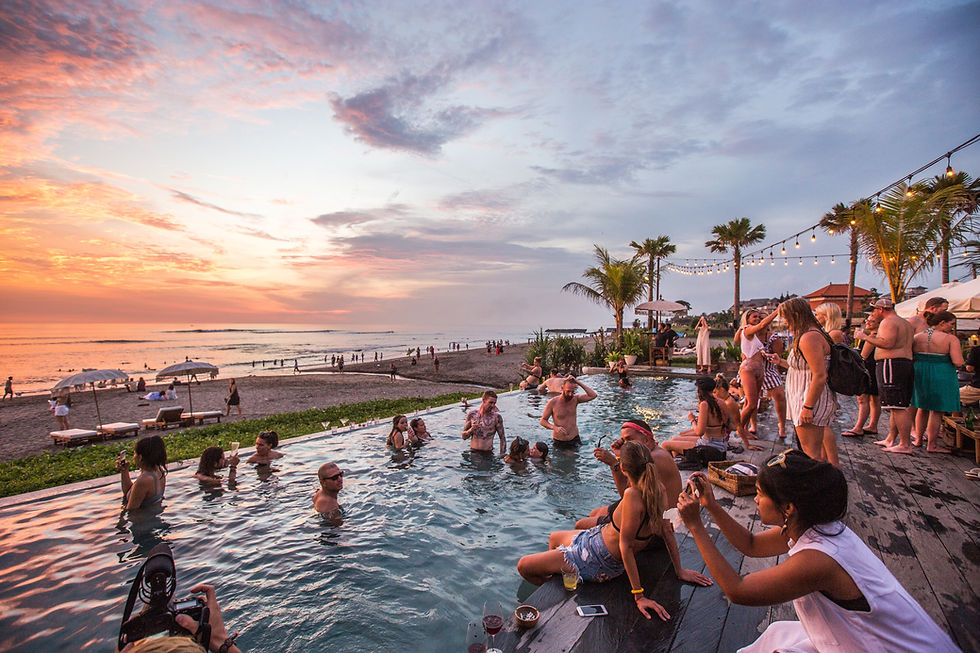
Bali is really several nomad destinations in one. Canggu is the social, surf-adjacent hotspot with cafes, gyms, villas, and nightlife. Ubud is greener, calmer, and more connected to yoga, wellness, art, and rice field views.
The island’s reputation is enormous because it blends lifestyle and community so well. You can find coworking spaces, retreats, creator circles, startup events, fitness communities, and people building almost every kind of online project.
The trade-off is popularity. Traffic, rising prices, and development pressure are real. Bali is still magic for many nomads, but it works best when visitors stay aware, respect local culture, and avoid treating the island like a backdrop.
Why it works well
Deep remote work community
Strong cafe, fitness, and wellness scenes
Beautiful landscapes and beach access
Easy to meet other travelers
Find your people
Canggu and Ubud both have coworking spaces, events, community boards, and active online groups.

Las Palmas, Gran Canaria, Spain
Las Palmas is the ultimate European winter escape, blending vibrant Spanish city life with year-round sunshine and a massive, lively beach (Playa de las Canteras) right in the center of town.
The city has cultivated one of the most established and dense nomad communities in the world. Between morning surf sessions, afternoon beach volleyball, and late-night tapas, you will find coworking spaces and cafes packed with remote workers taking advantage of the endless spring.
The trade-off is the extreme seasonality and the urban density. The city sees a massive influx of remote workers from October to April, making short-term housing highly competitive and expensive during peak winter months. It is also a bustling, working city, not a quiet island retreat.
Why it works well
Year-round spring weather and surf culture
Walkable city with a huge beach right in the center
Fast internet and solid EU infrastructure
Massive, highly organized nomad network
Find your people
The Gran Canaria Digital Nomads Slack and Facebook groups are incredibly active, alongside dozens of daily meetups and bustling coworking spaces along the beach.
The rising nomad spots
Rising stars share one thing: momentum. They may not have the same density as Lisbon or Chiang Mai, but they offer enough infrastructure to work comfortably and enough freshness to feel exciting.

Da Nang, Vietnam
Da Nang has been gaining attention for years, and it is easy to see why. It has a long beach, good food, modern apartments, and a calmer pace than Hanoi or Ho Chi Minh City. The city is large enough to function well but relaxed enough to make daily life easy.
For many nomads, the best part is the mix of beach routine and city convenience. Morning work, lunch with fresh noodles or rice dishes, an afternoon swim, then a quick ride to a cafe or gym. Hoi An is nearby for weekend escapes.
Why it is rising
Beach city lifestyle without the intensity of larger capitals
Good value in many areas
Strong cafe culture
Easy trips to Hoi An, Hue, and central Vietnam
Best for
Nomads who want beach access, good food, and a practical work base without constant party energy.

Chania, Crete, Greece
hania, located on the island of Crete, offers stunning Mediterranean coastlines, deep history, and incredible food, providing authentic Greek island life without the steep Mykonos or Santorini price tags.
The community here is growing rapidly as remote workers discover the perfect balance between deep work and slow living. It is ideal for nomads looking to combine focused workdays with weekend hikes through famous gorges, swimming in crystal-clear waters, and a tight-knit community feel.
The trade-off is the island's seasonality. Winters can be quiet, with some local businesses shutting down for the season, and getting around the massive island outside the city center usually requires renting a car.
Why it is rising
Incredible Mediterranean diet and slow-paced lifestyle
Beautiful access to both dramatic mountains and world-class beaches
Lower cost of living compared to major Western European hubs
Warm, welcoming local culture and growing coliving scene
Best for
Exploring beaches, eating your heart out and getting involved with locals as most people speak English.

Madeira, Portugal
Madeira offers something many nomads crave: island life with European infrastructure. The Portuguese island is known for dramatic cliffs, hiking trails, ocean views, and a mild climate. Ponta do Sol became especially visible thanks to its remote work village project, but Funchal also works well as a practical base.
Madeira is ideal for people who want nature close by. It is less about chaotic nightlife and more about hikes, ocean swimming, scenic drives, and a slower week-to-week pace.
Why it is rising
Beautiful nature and outdoor lifestyle
Reliable European services
Mild weather
Growing remote work community
Best for
Nature-loving remote workers, couples, focused freelancers, and anyone who wants an island base without feeling too cut off.

Fukuoka, Japan
While Tokyo gets the tourists, Fukuoka on the island of Kyushu is quietly becoming Japan's premier remote work and startup hub. It offers an incredibly livable, tech-forward environment right on the coast with a much more relaxed pace than the capital.
The city is actively welcoming foreign entrepreneurs with special startup visas, boasting a legendary street food scene (including famous Hakata ramen stalls), and seamlessly mixing ancient temples with modern shopping districts. The nomad scene here is more niche, but deeply passionate and innovative.
The trade-off is the language barrier and the time zone. English is less widely spoken here than in Southeast Asian nomad hubs, and the Japanese time zone can be brutal if you need to be on daily real-time calls with the Americas or Europe.
Why it is rising
Exceptional quality of life, cleanliness, and safety
Government support and infrastructure for startups
World-class food and quiet, focused cafe culture
More affordable and relaxed compared to Tokyo or Osaka
Best for
Remote workers who want comfort, travel access, and city life without the intensity of Bangkok or Singapore.
The quick match guide
If the options are starting to blur, use the vibe test.
Best all-around European classic Lisbon
Best low-cost mountain hub Bansko
Best classic Southeast Asia starter base Chiang Mai
Best social city with springlike weather Medellin
Best beach base with instant community Playa del Carmen
Best lifestyle-and-wellness hub Bali
Best rising beach city Da Nang
Best rising culture city Chania
Best rising nature base Madeira
Best practical Asia city base Fukuoka
How to make any hotspot work faster
A famous nomad city still needs a plan. The first week shapes the whole stay, so set yourself up quickly.
Book the first seven nights only
Unless you already know the neighborhood, avoid locking in a long stay from abroad. Use the first week to test noise, walkability, commute times, grocery access, and how the area feels after dark.
Choose a neighborhood before choosing an apartment
The right neighborhood matters more than a perfect-looking rental. A beautiful apartment that is far from cafes, gyms, transit, and friends can make a great city feel lonely.
Join local groups before landing
Facebook groups, WhatsApp chats, coworking communities, and event pages help you understand the social rhythm before arrival. Search for housing tips, scam warnings, neighborhood advice, and recurring meetups.
Build a routine in three days
Pick a work spot, a backup work spot, a gym or walking route, and one weekly social event. Once the basics are handled, exploring feels easier.
Respect the place you are entering
Nomad popularity can raise rents, crowd neighborhoods, and strain local communities. Learn basic local phrases, support local businesses, follow visa rules, tip where appropriate, and avoid treating every place like a temporary playground.


Comments